
The fascinating journey of gambling through history

The fascinating journey of gambling through history
The Origins of Gambling
The roots of gambling can be traced back to ancient civilizations, where games of chance played a significant role in social activities. Archaeological evidence reveals that dice, made from materials like bones and stones, were used by the Sumerians as early as 3000 BC. The practice was not merely entertainment; it served as a way for people to engage with fate and divine forces. These primitive forms of gambling laid the groundwork for more structured games, demonstrating humanity’s inherent attraction to risk and reward. Today, Pistolo Casino offers an impressive array of gaming opportunities that echo this ancient fascination.

In ancient China, gambling took on various forms, from card games to betting on animal fights. The Chinese developed the first known lottery around 200 BC, used to raise funds for public projects. Meanwhile, in Rome, emperors utilized gambling as a method to appease the populace, often hosting grand games and betting events. This historical context highlights how gambling has always been intertwined with culture, politics, and social dynamics, reflecting the values and beliefs of different societies.
The evolution of gambling continued through the Middle Ages, where it was often associated with gambling houses and taverns. During this period, games like chess and backgammon became popular among the elite, establishing a social status connected to gambling. Despite the moral concerns surrounding gambling, it persisted as a favored pastime, paving the way for the formalization of gaming rules and regulations in later centuries.
The Rise of Modern Gambling
The 17th century marked a significant turning point in the evolution of gambling, with the establishment of the first public gambling houses in Europe. In France, the “Casino de Spa” opened in 1763, providing a space where people could gather to play games of chance. This revolutionized the gambling landscape by introducing the concept of casinos, where patrons could enjoy various games under one roof. Such establishments became synonymous with luxury, attracting nobility and the wealthy elite.
By the 19th century, the growth of gambling reached new heights, particularly in the United States. The Gold Rush era spurred a rush of prospectors and fortune-seekers, leading to the creation of saloons and gambling halls in burgeoning cities like San Francisco. This era was characterized by poker and faro as popular games, showcasing a blend of skill and luck. The West’s rugged charm contributed to the romanticism of gambling, further embedding it in American culture.
The introduction of gaming regulations in the 20th century significantly transformed the gambling industry. Nevada legalized gambling in 1931, marking the beginning of modern casino culture in the United States. Las Vegas emerged as a gambling Mecca, where extravagant resorts and shows combined to create a unique entertainment experience. This era also saw the advent of slot machines, which revolutionized how people engaged with gambling, making it accessible to the masses.
The Influence of Technology on Gambling
As technology advanced, it profoundly impacted the gambling industry, particularly in the late 20th and early 21st centuries. The introduction of the internet opened new avenues for gambling, leading to the rise of online casinos and betting platforms. This shift enabled players to access their favorite games from the comfort of their homes, breaking geographical barriers and expanding the market exponentially. Innovative software developers created immersive gaming experiences, incorporating graphics and themes that appealed to a diverse audience, including options available at Pistolo casino Canada.
Mobile technology further transformed the gambling landscape, allowing players to gamble on the go. With smartphones becoming ubiquitous, gambling apps and mobile-friendly sites emerged, providing convenience and accessibility. Live dealer games brought an authentic casino experience to players’ fingertips, where they could interact with real dealers in real time, enhancing the overall gaming experience. This blend of technology and gambling showcases a continual evolution that aligns with consumer preferences.
Moreover, the integration of cryptocurrency into gambling platforms has introduced a new dimension to the industry. Players now have the option to gamble using digital currencies like Bitcoin, ensuring anonymity and security. This has not only attracted a tech-savvy demographic but has also prompted traditional casinos to adapt to changing trends. The convergence of technology and gambling continues to shape the future of the industry, presenting new opportunities and challenges.
The Cultural Impact of Gambling
Gambling has always held a mirror to society, reflecting cultural norms, beliefs, and values. In many cultures, gambling is viewed as a form of entertainment and a social activity that fosters community bonds. Festivals and events often incorporate games of chance, showcasing the role of gambling in cultural practices. For instance, lotteries are frequently organized for charitable causes, highlighting the positive aspects of gambling in promoting social good.
Conversely, gambling has also been associated with negative societal impacts, such as addiction and financial difficulties. Public attitudes toward gambling have evolved, with many regions implementing stricter regulations and promoting responsible gambling initiatives. Educational programs aimed at raising awareness about the risks associated with gambling underscore the dual nature of this activity as both a form of entertainment and a potential source of harm.
Films and literature have also depicted gambling in various lights, from glamorous portrayals of casinos to cautionary tales about addiction. Such narratives play a significant role in shaping societal perceptions of gambling, influencing how people engage with it. As gambling continues to evolve, its cultural significance remains complex, reflecting the ongoing dialogue about risk, reward, and responsibility in society.
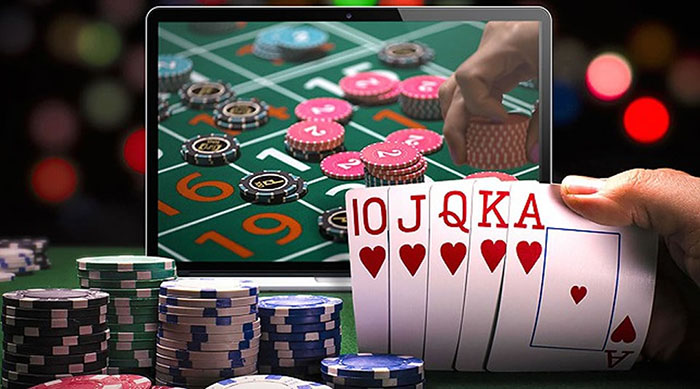
Pistolo Casino: A Modern Gambling Experience
Pistolo casino stands out as Canada’s premier online gambling destination, reflecting the evolution of gambling in the digital age. With an extensive selection of over 8,850 games, including slots, table games, and live casino options, it caters to a diverse range of gaming preferences. The platform is designed to provide an engaging experience, combining modern technology with traditional gaming elements to attract enthusiasts across the country.
The site offers various bonuses and promotions, including a generous welcome bonus that enhances the gaming experience for newcomers. With 200 free spins available, players can explore the vast array of games without significant initial investment. Additionally, the platform provides multiple payment methods to ensure convenience and security for all users, allowing them to focus on their gaming experience without unnecessary hassle.
Furthermore, Pistolo casino is committed to creating a safe and secure environment for its players. With 24/7 customer support, users can rest assured that assistance is readily available whenever needed. The platform’s dedication to responsible gaming practices underscores its understanding of the complexities of gambling, aiming to provide a balanced and enjoyable experience for all. As gambling continues to evolve, Pistolo casino demonstrates the potential of online gaming in the modern era.