
How does gambling psychology influence your decisions at the casino

How does gambling psychology influence your decisions at the casino
The Basics of Gambling Psychology
Gambling psychology delves into the cognitive and emotional factors that affect a player’s decisions. It encompasses how individuals perceive risk and reward, as well as the mental strategies they employ while betting. Understanding these psychological elements is crucial for both players and casino operators, as they shape the gaming experience and influence outcomes. Many players seek out brand new casinos that offer fresh environments, enhancing their gaming experience.
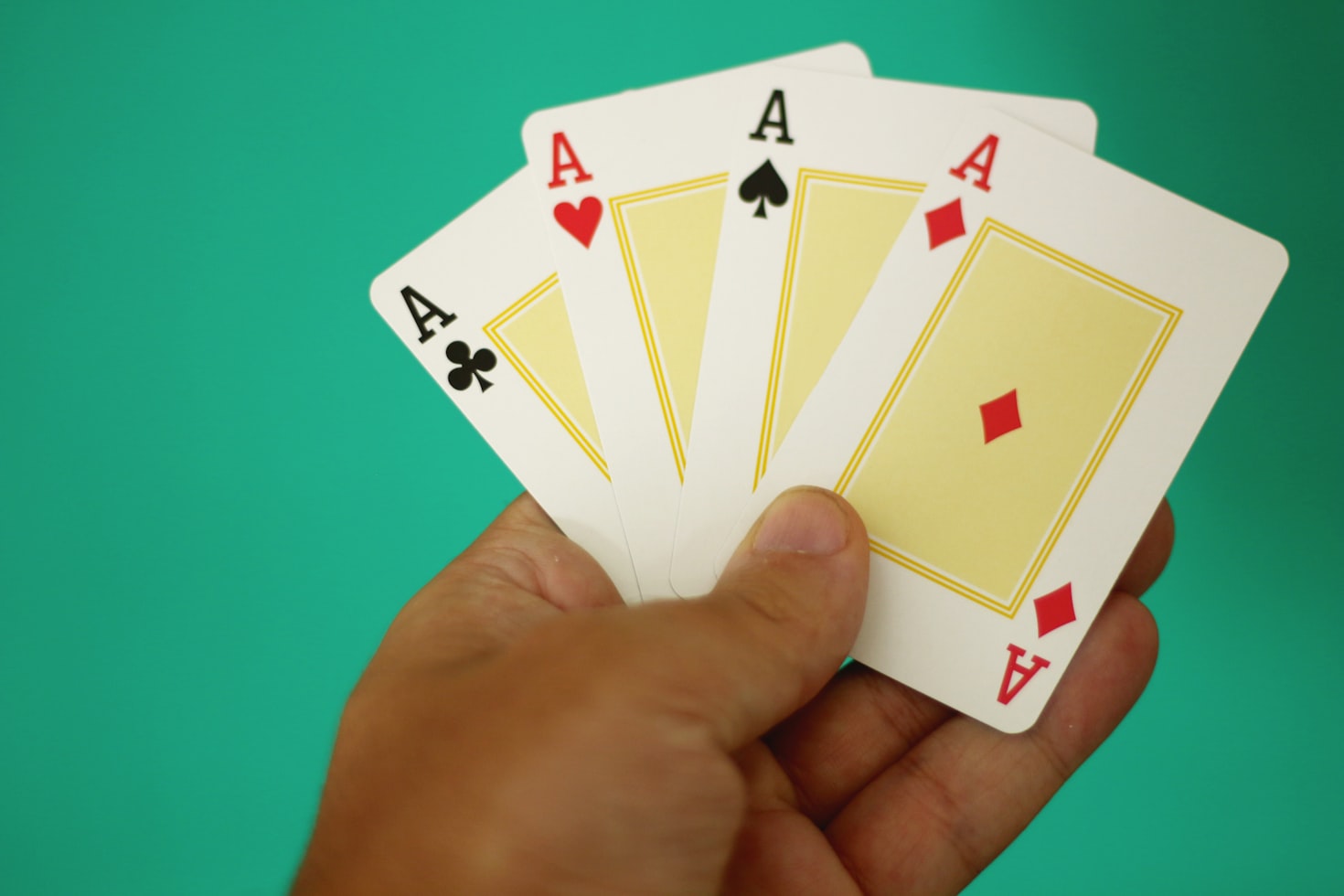
Players often experience a range of emotions, from excitement and anticipation to anxiety and regret. These emotions can cloud judgment and lead to impulsive decisions, affecting how much a player is willing to bet and how they respond to wins and losses. Recognizing these psychological triggers can significantly enhance one’s gambling approach.
The Role of Environment in Decision-Making
The environment within a casino is meticulously designed to heighten excitement and encourage gambling behavior. Bright lights, vibrant colors, and engaging sounds create an immersive atmosphere that can lead to impulsive decisions. This sensory overload plays a significant role in how players perceive their odds and can distort their sense of reality.
Additionally, the layout of a casino is strategically arranged to guide players toward games and areas where they might spend more money. The placement of slot machines, table games, and dining options can greatly influence a player’s choices, leading to decisions that may not align with their initial intentions.
The Impact of Cognitive Biases
Cognitive biases are systematic errors in thinking that can affect decision-making processes. In gambling, biases like the illusion of control and the gambler’s fallacy can significantly influence how players approach their bets. The illusion of control leads players to believe they can influence outcomes in games of chance, while the gambler’s fallacy causes them to think past losses will influence future wins.
These biases can lead to overconfidence and poor financial decisions. Players may chase losses or overestimate their chances of winning, leading to increased risk-taking. Understanding these biases can help players make more informed decisions and manage their gambling behavior more effectively.
The Emotional Rollercoaster of Winning and Losing
The emotional highs and lows associated with gambling can profoundly impact decision-making. Winning can induce feelings of euphoria and invincibility, leading players to make larger bets or take unnecessary risks. Conversely, losing can result in frustration and despair, prompting players to chase losses in an attempt to regain their previous status.
This emotional rollercoaster can cloud judgment, making it difficult for players to stick to their strategies or budgets. By acknowledging these emotional swings, players can work toward maintaining a more balanced approach to their gambling activities.

Explore More with Our Platform
Our website provides valuable insights into the world of gambling psychology and its effects on decision-making. We offer expert analyses and tips for players looking to enhance their experience while minimizing risks. Whether you are a beginner or an experienced gambler, understanding the psychological aspects of gaming can significantly improve your approach.
Join us as we explore various strategies and tools to help you navigate the complex world of casinos. With our guidance, you can make informed decisions and enjoy a more rewarding gaming experience.