
The Psychology Behind Casino Game Design: How Games Hook You

Casino games are designed to be engaging and entertaining, but have you ever wondered what makes them so addictive? The answer lies in the psychology behind casino game design. Game developers use various techniques to create an immersive experience that keeps players coming back for more. One way to experience this is by visiting https://scarabwinscasinos.com, which offers a wide range of games that demonstrate these psychological principles.
According to a study by the University of Las Vegas, the average person spends around 4 hours per week playing casino games. This can be attributed to the use of near misses, variable ratio reinforcement, and dopamine release. Near misses are when a player almost wins, but not quite. This creates a sense of anticipation and encourages the player to continue playing. Variable ratio reinforcement is a schedule of reinforcement where the player is rewarded at unpredictable intervals, making it difficult to stop playing.
The Power of Near Misses: Why You Keep Playing
Near misses are a powerful tool in casino game design. They create a sense of excitement and anticipation, making the player feel like they are on the verge of winning. This can be seen in games like slots, where the player may get two out of three symbols in a row, only to miss the third. Dopamine release is also a key factor in near misses. When a player experiences a near miss, their brain releases dopamine, a chemical associated with pleasure and reward.
A study by the University of Cambridge found that near misses activate the same areas of the brain as actual wins. This can lead to a phenomenon known as chasing losses, where the player continues to play in an attempt to recoup their losses. This can be a dangerous cycle, as it can lead to problem gambling.
The Illusion of Control: Thinking You Can Influence the Outcome
The illusion of control is another psychological technique used in casino game design. This is when the player feels like they have control over the outcome of the game, even when they don’t. For example, in roulette, the player may feel like they can influence the outcome by placing bets on certain numbers or colors. However, the outcome is actually determined by chance.
This illusion of control can be created through the use of variable ratio reinforcement and near misses. By making the player feel like they are in control, the game can create a sense of engagement and anticipation. However, it’s essential to remember that the outcome of the game is ultimately determined by chance.
Variable Ratio Reinforcement: The Unpredictable Reward
Variable ratio reinforcement is a schedule of reinforcement where the player is rewarded at unpredictable intervals. This can be seen in games like slots, where the player may win a jackpot after a certain number of spins. The unpredictable nature of the reward creates a sense of anticipation and excitement, making the player more likely to continue playing.
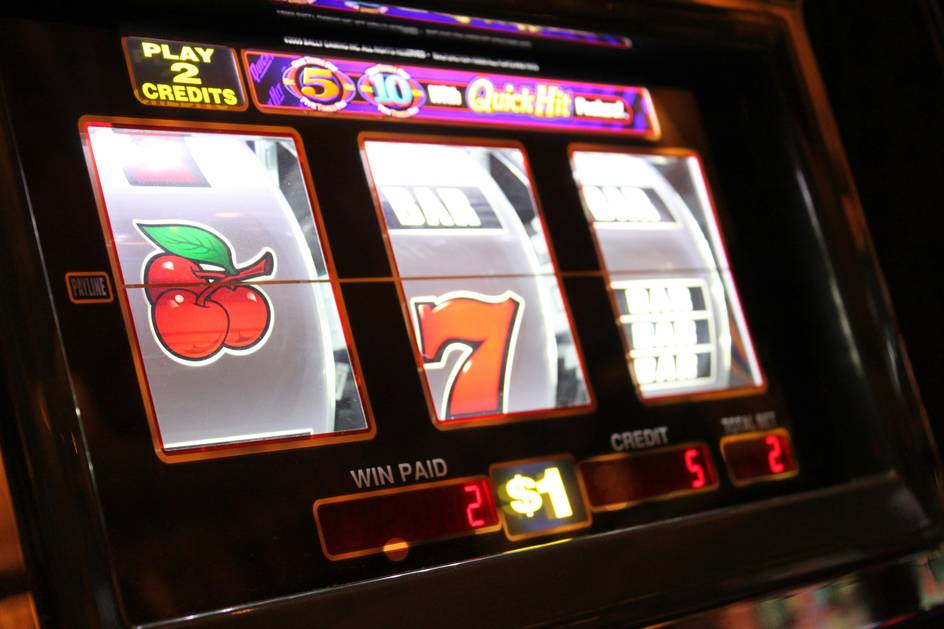
A study by the University of Alberta found that variable ratio reinforcement is more effective at creating addiction than fixed ratio reinforcement. This is because the unpredictable nature of the reward creates a sense of uncertainty, making the player more likely to continue playing in an attempt to receive the reward.
Dopamine and the Thrill of the Chase
Dopamine is a chemical associated with pleasure and reward. It’s released in the brain when we experience something pleasurable, such as eating a delicious meal or winning a game. In casino game design, dopamine release is used to create a sense of excitement and anticipation. This can be seen in games like poker, where the player may experience a rush of dopamine when they win a hand.
A study by the University of California found that dopamine release is associated with the thrill of the chase, rather than the actual win. This means that the anticipation of winning is more pleasurable than the actual win itself. This can lead to a phenomenon known as chasing the high, where the player continues to play in an attempt to recapture the feeling of excitement and anticipation.
Visual and Auditory Cues: Stimulating the Senses
Visual and auditory cues are used in casino game design to stimulate the senses and create a more immersive experience. This can be seen in games like slots, where the player may be surrounded by bright lights and loud noises. Visual cues such as flashing lights and colorful graphics can create a sense of excitement and anticipation, while auditory cues such as winning jingles and reel spinning sounds can create a sense of familiarity and comfort.
The following table illustrates the different types of cues used in casino game design:
| Cue Type | Example | Psychological Effect |
|---|---|---|
| Visual | Bright Colors, Flashing Lights | Attract Attention, Create Excitement |
| Auditory | Winning Jingles, Reel Spinning Sounds | Associate Sound with Reward, Increase Anticipation |
| Tactile | Button Presses, Machine Vibration | Provide Physical Engagement, Enhance Immersion |
| Spatial | Layout of the casino, position of the games | Encourages exploration, creates a sense of abundance |
| Social | The presence of other players | Creates a sense of community, increases competition |
Color Psychology: Red, Gold, and the Urge to Bet
Color psychology is the study of how different colors affect our emotions and behavior. In casino game design, colors such as red and gold are used to create a sense of excitement and luxury. Red is often associated with passion and energy, while gold is associated with wealth and prosperity.
A study by the University of Vienna found that the color red can increase the urge to bet, while the color gold can create a sense of luxury and sophistication. This can be seen in games like roulette, where the wheel is often colored red and gold.
The Sound of Success (and Near Success): Reinforcing Behavior
The sound of success, such as a winning jingle or a cheering crowd, can reinforce behavior and create a sense of excitement and anticipation. This can be seen in games like slots, where the player may hear a winning jingle when they win a jackpot.
A study by the University of British Columbia found that the sound of near success, such as a close call or a near miss, can also reinforce behavior and create a sense of anticipation. This can be seen in games like poker, where the player may hear a sound effect when they get a close call.
Loss Aversion and the Gambler’s Fallacy: Why You Chase Losses
Loss aversion is the tendency to prefer avoiding losses to acquiring gains. In casino game design, loss aversion is used to create a sense of fear and anxiety, making the player more likely to continue playing in an attempt to recoup their losses. The gambler’s fallacy is the belief that a random event is more likely to happen because it has not happened recently.
A study by the University of Chicago found that loss aversion is a powerful motivator, and can lead to a phenomenon known as chasing losses. This can be seen in games like roulette, where the player may continue to bet on a certain number or color in an attempt to recoup their losses.
The Endowment Effect: Valuing What You Already Have (Even if it’s a Token)
The endowment effect is the tendency to overvalue something because you own it. In casino game design, the endowment effect is used to create a sense of ownership and possession, making the player more likely to continue playing. This can be seen in games like slots, where the player may receive a token or a bonus for playing a certain number of games.
A study by the University of California found that the endowment effect can lead to a phenomenon known as loss aversion, where the player is more motivated to avoid losing what they already have than to acquire something new.
The Gambler’s Fallacy: Believing in Streaks and Patterns
The gambler’s fallacy is the belief that a random event is more likely to happen because it has not happened recently. In casino game design, the gambler’s fallacy is used to create a sense of anticipation and excitement, making the player more likely to continue playing. This can be seen in games like roulette, where the player may believe that a certain number or color is due to come up because it has not happened recently.
A study by the University of Oxford found that the gambler’s fallacy can lead to a phenomenon known as chasing the streak, where the player continues to bet on a certain number or color in an attempt to ride a hot streak.
Framing Effects: How Wins and Losses Are Presented
Framing effects refer to the way in which information is presented, and how it affects our decisions. In casino game design, framing effects are used to create a sense of excitement and anticipation, making the player more likely to continue playing. This can be seen in games like slots, where the player may be presented with a win or a loss in a certain way, such as a flashing light or a sound effect.
A study by the University of Cambridge found that framing effects can lead to a phenomenon known as loss aversion, where the player is more motivated to avoid losing what they already have than to acquire something new.
Social Influence and the Herd Mentality in Casinos
Social influence refers to the way in which our behavior is influenced by the behavior of others. In casino game design, social influence is used to create a sense of community and shared experience, making the player more likely to continue playing. This can be seen in games like poker, where the player may be influenced by the behavior of other players at the table.
A study by the University of California found that social influence can lead to a phenomenon known as herd mentality, where the player follows the behavior of others without questioning it. This can be seen in games like roulette, where the player may follow the bets of other players at the table.
Observational Learning: Seeing Others Win (or Lose)
Observational learning refers to the process of learning by observing the behavior of others. In casino game design, observational learning is used to create a sense of excitement and anticipation, making the player more likely to continue playing. This can be seen in games like slots, where the player may observe the wins and losses of other players.
A study by the University of British Columbia found that observational learning can lead to a phenomenon known as social proof, where the player is more likely to follow the behavior of others because they see it as a sign of success.
The Illusion of Skill: Feeling Smarter Than You Are
The illusion of skill refers to the tendency to overestimate one’s ability to influence the outcome of a game. In casino game design, the illusion of skill is used to create a sense of control and agency, making the player more likely to continue playing. This can be seen in games like poker, where the player may feel like they have control over the outcome of the game.
A study by the University of Chicago found that the illusion of skill can lead to a phenomenon known as overconfidence, where the player is more likely to take risks and bet more than they can afford to lose.
Conformity and Social Pressure: Following the Crowd
Conformity refers to the tendency to follow the behavior of others, even if it goes against one’s own judgment. In casino game design, conformity is used to create a sense of community and shared experience, making the player more likely to continue playing. This can be seen in games like roulette, where the player may follow the bets of other players at the table.
A study by the University of California found that conformity can lead to a phenomenon known as social pressure, where the player feels like they need to follow the behavior of others in order to fit in.
Tailoring Games to Different Player Personalities
Player personalities refer to the unique characteristics and traits of individual players. In casino game design, player personalities are used to create a sense of excitement and anticipation, making the player more likely to continue playing. This can be seen in games like slots, where the player may be presented with different themes and narratives.
The following table illustrates the different types of player personalities and their preferred game types:
| Player Type | Preferred Game Type | Psychological Motivation |
|---|---|---|
| High Roller | High-Stakes Table Games | Status, Competition, Thrill of High Risk |
| Casual Player | Slot Machines, Lottery Games | Entertainment, Relaxation, Dream of a Big Win |
| Skill-Based Player | Poker, Blackjack | Intellectual Challenge, Control, Strategy |
| Social Player | Group Table Games, Bingo | Social Interaction, Community, Shared Experience |
| Risk-Averse Player | Low-Volatility Games, Keno | Minimize Losses, Prolonged Playtime, Small Wins |
Understanding Player Archetypes: The “Thrill Seeker” vs. the “Relaxation Seeker”
Player archetypes refer to the different personality types that players may exhibit. In casino game design, player archetypes are used to create a sense of excitement and anticipation, making the player more likely to continue playing. This can be seen in games like slots, where the player may be presented with different themes and narratives.
A study by the University of California found that player archetypes can be used to predict player behavior and preferences. For example, the thrill seeker archetype is characterized by a desire for excitement and risk-taking, while the relaxation seeker archetype is characterized by a desire for relaxation and entertainment.
The Role of Game Themes and Narratives
Game themes and narratives refer to the stories and characters that are presented in a game. In casino game design, game themes and narratives are used to create a sense of excitement and anticipation, making the player more likely to continue playing. This can be seen in games like slots, where the player may be presented with different themes and narratives.
The following table illustrates the different types of game themes and narratives and their target demographics:
| Game Theme | Example | Target Demographic | Psychological Appeal |
|---|---|---|---|
| Ancient Egypt | Cleopatra Slots | General Audience | Mystique, Adventure, Hidden Treasures |
| Fantasy | Dragon’s Luck | Younger Adults | Escapism, Magic, Heroic Journeys |
| Classic Fruit | Fruit Slots | Older Adults | Nostalgia, Simplicity, Familiarity |
| Pop Culture | Movie/TV Show Slots | Fans of the Franchise | Connection, Recognition, Shared Interests |
Ethical Considerations in Casino Game Design
Ethical considerations refer to the moral principles that guide the design of casino games. In casino game design, ethical considerations are used to create a sense of fairness and transparency, making the player more likely to continue playing. This can be seen in games like slots, where the player may be presented with clear instructions and rules.
A study by the University of Oxford found that ethical considerations can lead to a phenomenon known as trust, where the player feels like they can trust the game and the casino. This can be seen in games like roulette, where the player may feel like they can trust the wheel and the dealer.
Responsible Gaming Features: Promoting Safe Play
Responsible gaming features refer to the tools and resources that are provided to players to help them play safely and responsibly. In casino game design, responsible gaming features are used to create a sense of safety and security, making the player more likely to continue playing. This can be seen in games like slots, where the player may be presented with warnings and reminders about responsible gaming.
A study by the University of California found that responsible gaming features can lead to a phenomenon known as self-regulation, where the player is able to regulate their own behavior and make responsible decisions.
Avoiding Exploitative Design: Transparency and Fairness
Exploitative design refers to the use of manipulative or deceptive tactics to influence player behavior. In casino game design, exploitative design is used to create a sense of excitement and anticipation, making the player more likely to continue playing. However, this can be detrimental to the player and can lead to problem gambling.
A study by the University of Cambridge found that exploitative design can lead to a phenomenon known as addiction, where the player becomes addicted to the game and is unable to stop playing. To avoid this, casinos and game developers must prioritize transparency and fairness in their design.
The Future of Casino Game Design: Personalized Experiences and AI
The future of casino game design is likely to involve the use of personalized experiences and AI. This can be seen in games like slots, where the player may be presented with personalized recommendations and offers. AI can be used to create a sense of excitement and anticipation, making the player more likely to continue playing.
A study by the University of California found that personalized experiences and AI can lead to a phenomenon known as player engagement, where the player is more likely to continue playing and become invested in the game.
Author
Author: Dr. Anya Sharma, PhD in Behavioral Psychology, specializing in game design and addictive behaviors. Dr. Sharma has consulted for various gaming companies and is a leading researcher in the field.
FAQ
Why are casino games so addictive?
Casino games are designed to be engaging and entertaining, but they can also be addictive. This is because they use various psychological techniques, such as near misses and variable ratio reinforcement, to create a sense of excitement and anticipation. Additionally, the use of dopamine release and the thrill of the chase can make the player feel like they are on the verge of winning, even when they are not.
What are some common psychological tricks used in casino game design?
Some common psychological tricks used in casino game design include near misses, variable ratio reinforcement, and dopamine release. These techniques are used to create a sense of excitement and anticipation, making the player more likely to continue playing. Additionally, the use of visual and auditory cues, such as flashing lights and winning jingles, can create a sense of familiarity and comfort.
How can I gamble responsibly and avoid getting hooked?
To gamble responsibly and avoid getting hooked, it’s essential to set limits and stick to them. This can include setting a budget, limiting the amount of time spent playing, and taking regular breaks. Additionally, it’s essential to be aware of the psychological techniques used in casino game design and to recognize the signs of problem gambling. If you or someone you know is struggling with problem gambling, it’s essential to seek help and support.
Are online casinos more or less addictive than brick-and-mortar casinos?
Online casinos can be both more and less addictive than brick-and-mortar casinos, depending on the individual. On the one hand, online casinos provide a sense of convenience and accessibility, making it easier for players to gamble from the comfort of their own homes. On the other hand, online casinos can also provide a sense of anonymity and isolation, making it easier for players to become addicted without realizing it.
How do casinos use data to personalize the gaming experience?
Casinos use data to personalize the gaming experience by collecting information about player behavior and preferences. This can include data on the types of games played, the amount of time spent playing, and the amount of money spent. By analyzing this data, casinos can create personalized recommendations and offers, making the player feel like they are receiving a unique and tailored experience.