
Understanding the psychology behind gambling Are you in control or being controlled

Understanding the psychology behind gambling Are you in control or being controlled
The Allure of Gambling
The excitement of gambling often stems from the thrill of risk and the potential for reward. Many individuals are drawn to the chance of winning big, which can activate the brain’s reward system, releasing dopamine and creating a sense of pleasure. This psychological response can create a cycle of anticipation and excitement, where each bet feels like a step closer to a life-changing victory. Over time, this can lead to habitual gambling behavior, making it difficult for some to recognize when the fun begins to spiral into something more detrimental. Many enthusiasts turn to platforms like https://www.love-casino-online.co.uk/ to enhance their experience.
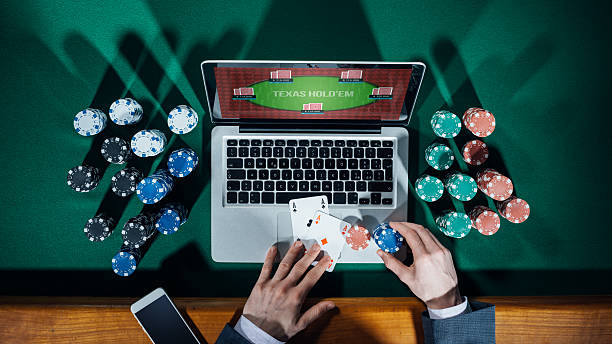
The environment of casinos and online gambling platforms plays a crucial role in enticing players. Bright lights, engaging sounds, and strategically designed spaces are all crafted to keep players on the premises longer. This sensory overload can cloud judgment and encourage impulsive decisions, drawing individuals deeper into a cycle of play. The combination of the environment and the promise of reward can make it challenging for gamblers to step back and evaluate their actions rationally.
Moreover, the societal perception of gambling as an exciting leisure activity can further blur the lines between control and being controlled. With celebrity stories showcasing gambling successes, many are tempted to emulate their behaviors without considering the underlying psychology. Such narratives can create unrealistic expectations, leading individuals to believe they can master luck, which often isn’t the case. Recognizing this allure is the first step in maintaining a healthy relationship with gambling.
The Psychology of Control
Understanding the psychology behind control in gambling is crucial for both players and their families. Many gamblers believe they can influence the outcome of games through strategies or sheer willpower. This belief can lead to overconfidence and the dangerous misconception that they can control random outcomes, like those in slot machines or card games. Cognitive biases, such as the illusion of control, can further entrench this mindset, making it difficult for individuals to recognize when they are losing more than they can afford.
Moreover, when gambling becomes a habitual practice, the line between entertainment and compulsion can blur significantly. Many individuals may find themselves justifying their gambling behavior, believing they can recoup losses or “play smart” to come out ahead. This rationalization often leads to deeper financial and emotional turmoil, as individuals chase losses in an attempt to regain a sense of control. Recognizing these patterns of thought is vital for anyone involved in gambling.
For those in the grip of gambling addiction, seeking help can feel like a loss of control. However, acknowledging the need for assistance is an empowering step towards regaining control over one’s life. Support groups and therapy can provide essential strategies to break free from the cycle of gambling, helping individuals understand their motivations and emotions. The journey to recovery often begins with an honest reflection on one’s relationship with gambling and a commitment to change.
The Role of Emotional Triggers
Emotions play a significant role in gambling behavior, often serving as triggers for both gambling impulses and decisions. Stress, anxiety, and depression can lead individuals to gamble as a form of escapism. The act of gambling can provide a temporary reprieve from negative emotions, offering an exhilarating distraction. However, this coping mechanism can quickly evolve into a harmful cycle where gambling exacerbates emotional problems, leading to a destructive feedback loop.
Conversely, positive emotions can also influence gambling behavior. Celebrations or achievements can prompt individuals to engage in gambling as a reward, further entrenching the behavior. This connection between gambling and emotional states creates a complex relationship where individuals may not realize their actions are being controlled by their feelings rather than rational thought. Understanding these emotional triggers is crucial for individuals looking to regain control over their gambling habits.
It’s essential for gamblers to develop healthy coping mechanisms to manage their emotions without resorting to gambling. Activities such as exercise, mindfulness, or engaging in hobbies can provide healthier outlets for stress relief and emotional processing. By finding alternative ways to deal with emotions, individuals can reduce their reliance on gambling and begin to break free from the psychological chains that may bind them.
The Impact of Social Influence
The social context surrounding gambling can significantly affect an individual’s experience and behavior. Peer pressure, family expectations, and cultural norms can all play a role in shaping how individuals approach gambling. For instance, someone may feel compelled to gamble due to social circles that normalize this behavior or even celebrate it. This external influence can make it increasingly difficult for individuals to recognize when their gambling is becoming a problem.
Social media also plays a role in this dynamic, with countless stories of gambling wins and successes often shared and celebrated online. These narratives can create unrealistic expectations and encourage others to participate without considering the risks involved. The fear of missing out or the desire to fit in can lead individuals to gamble more than they initially intended, which can swiftly evolve into problematic behavior.
Addressing the social influences surrounding gambling is essential for those seeking control over their habits. Engaging in open conversations with friends and family about responsible gambling can foster an environment where individuals feel comfortable discussing their behaviors. Encouraging healthy practices and seeking support can be transformative, enabling individuals to break free from unhealthy social pressures and regain control over their gambling habits.

Love Casino: A Safe Gambling Environment
Love Casino provides an engaging online platform designed to create a safe gambling environment for users. The site offers various games, including slots, table games, and live dealer options, ensuring that players can find an experience that suits them. By emphasizing user security and fairness, Love Casino utilizes advanced encryption protocols to protect personal and financial information, making it a trustworthy option for individuals who want to enjoy gambling responsibly.
The platform also encourages responsible gaming practices, offering tools and resources to help players maintain control over their gambling activities. This includes features that allow users to set limits on their deposits and playtime, promoting a healthy balance between entertainment and control. With a dedicated customer support team available 24/7, Love Casino aims to ensure that all users have a positive experience while engaging with their offerings.
Ultimately, Love Casino embodies a commitment to providing a rewarding and enjoyable gaming experience while prioritizing player well-being. By offering attractive bonuses and fast withdrawal times, players can enjoy their gaming experience without the pressures of excessive risk-taking. Recognizing the importance of a supportive gambling environment is critical for both new and seasoned players as they navigate their relationship with gambling.