
Understanding the psychology of players in casino environments

The Allure of Casino Atmospheres
Casino environments are meticulously designed to captivate and engage players. From the vibrant lights and sounds to the strategically placed gaming machines, every element is intended to create an atmosphere that encourages prolonged play. This sensory stimulation often leads players to feel more excited and immersed, which can enhance their real money online casino experience and affect their decision-making processes.
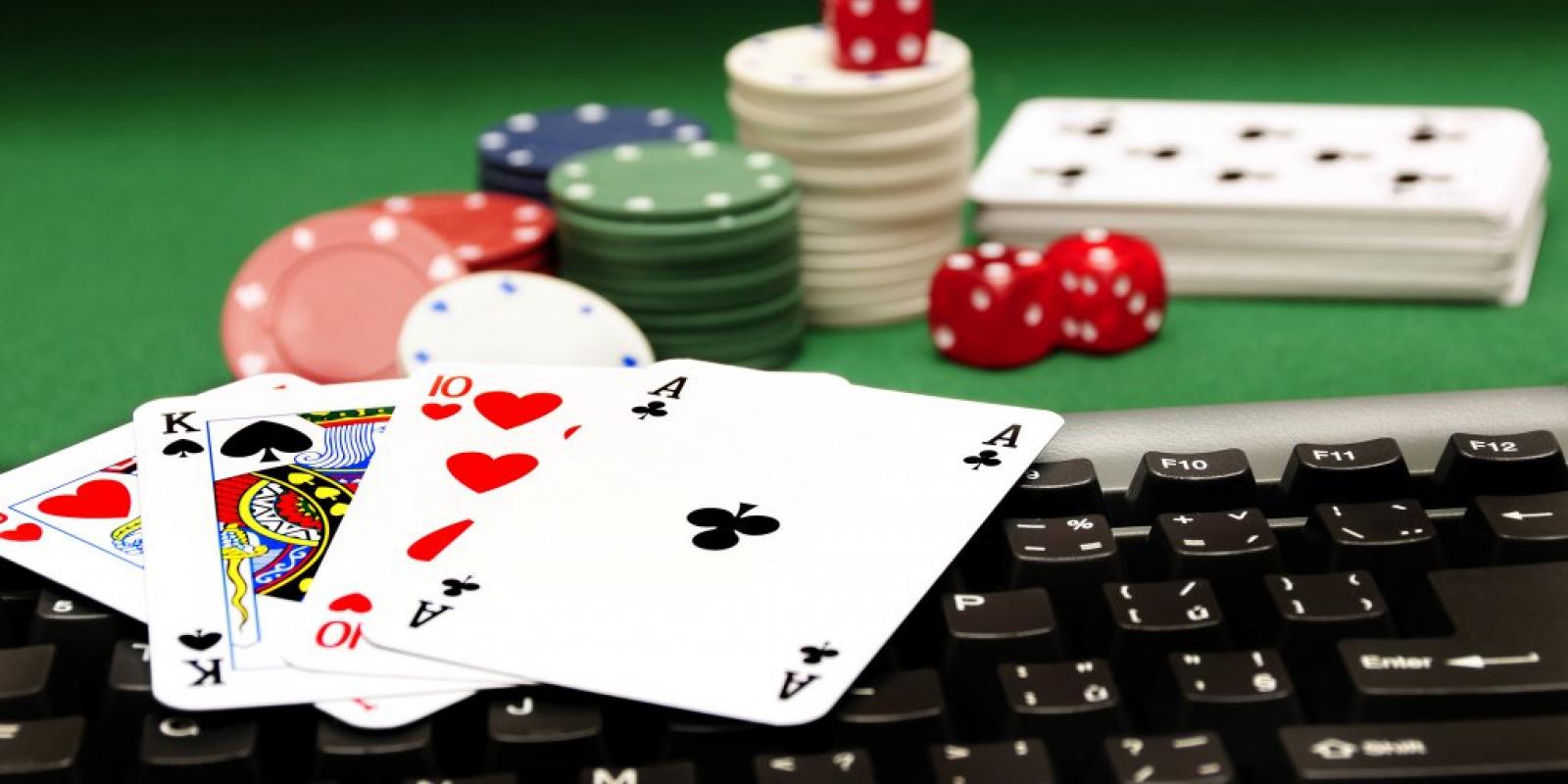
The allure of these environments is further enhanced by the social interactions they promote. Players often find themselves within a bustling crowd, sharing their experiences and emotions, which can heighten their sense of belonging and excitement. This social component, combined with the sensory overload, can lead to a psychological state where players may lose track of time and money spent, reinforcing the casino’s hold over them.
The Role of Cognitive Biases in Gambling
Players are often influenced by cognitive biases that affect how they perceive risks and rewards. One common bias is the illusion of control, where players believe they can influence the outcome of games that are fundamentally based on chance. This leads them to make riskier bets, thinking they can change their fortunes with skill or strategy, despite the odds being against them.
Furthermore, the availability heuristic plays a significant role in how players evaluate their chances of winning. When players hear about others winning big, they may overestimate their own likelihood of success, driving them to gamble more aggressively. These cognitive biases are crucial for understanding why players may continue betting even when it is not in their best interest.
The Role of Emotional Engagement and Decision-Making
The emotional state of players significantly influences their decisions within a casino environment. Players often chase losses, driven by the desire to recover what has been lost, which can lead to impulsive betting behavior. This emotional engagement can cloud rational thinking, making it difficult for players to assess their situation objectively.
Additionally, the thrill of winning can create a dopamine rush that reinforces gambling behavior. This chemical response can lead to a cycle of thrill-seeking, where players continually chase the high associated with gambling wins. Understanding the interplay between emotional states and decision-making is essential for comprehending player behavior in casinos.
The Impact of Rewards and Reinforcement
Casino operators leverage the principles of reward and reinforcement to keep players engaged. Variable ratio reinforcement, where players receive rewards at unpredictable intervals, is particularly effective in maintaining interest and increasing playtime. This method taps into the psychological principle of anticipation, making players more likely to return in hopes of achieving the next big win.
Additionally, loyalty programs and bonuses play a significant role in reinforcing gambling behavior. By offering tangible rewards, casinos create a sense of loyalty and commitment among players, further entrenching them in the gambling ecosystem. Understanding these reinforcement strategies is critical for grasping how casinos maintain their customer base.

The Importance of Responsible Gambling Resources
Given the complex psychology of players in casino environments, the need for responsible gambling resources is paramount. It is vital for players to be aware of their limits and understand the risks involved in gambling. Various organizations and websites aim to provide information and support for individuals seeking to gamble responsibly, ensuring that they can navigate these environments safely.
These resources often provide educational materials, self-assessment tools, and links to professional help when necessary. By promoting awareness and understanding of gambling behavior, these initiatives strive to mitigate the potentially harmful effects of casino environments, allowing players to enjoy gambling as a form of entertainment rather than a compulsive activity.